Why Carpet Can Still Smell Like a Dog After Surface Cleaning
The visible carpet is only one layer. An inspection helps determine where odor may be coming from and which options are realistic.
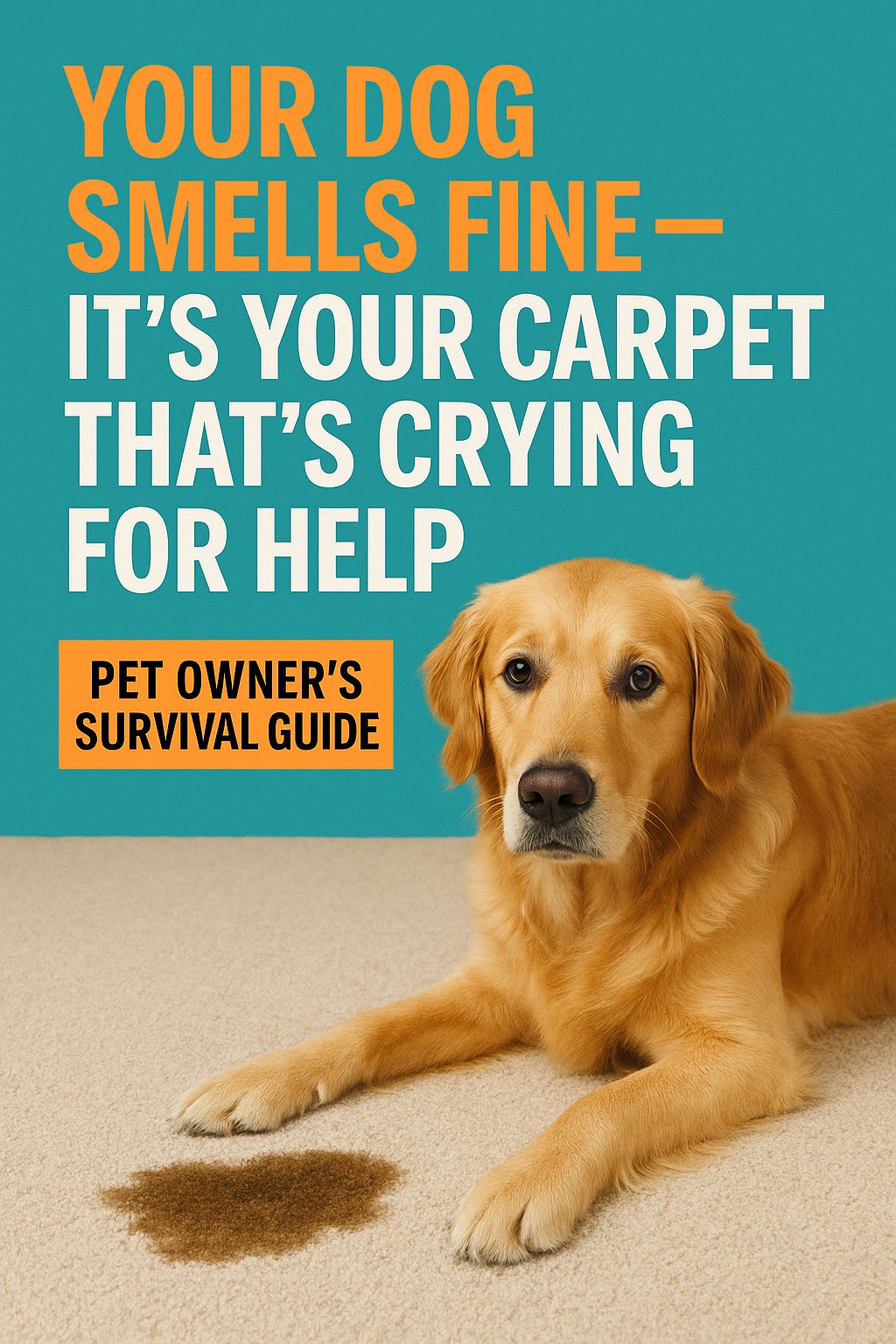
Odor can extend below the surface
A surface clean can improve what you see without reaching everything that causes the smell. Depending on the amount, location, and history of an accident, contamination may affect the carpet fibers, backing, padding, subfloor, baseboards, furniture, or another nearby material.
That is why an odor can return after the carpet dries or when indoor humidity changes. It does not necessarily mean the surface was never cleaned; it may mean that part of the source remains elsewhere.
What a professional can evaluate
An inspection can look at the number and location of affected areas, carpet fiber and condition, prior products, visible staining, likely contamination depth, and which materials are accessible. UV light may help locate some urine deposits, but it does not reveal every source or show exactly how far contamination traveled.
The inspection informs whether normal carpet cleaning, a targeted pet stain and odor treatment, or a different next step makes sense. Scope and realistic limits should be clear before treatment begins.
Products, people, and pets
Tufts uses family- and pet-conscious product choices and selects treatment after inspecting the carpet and affected areas. That does not make every product suitable for every fiber, household sensitivity, or contamination type. Tell us about children, pets, sensitivities, prior products, and material concerns before work starts.
Treatment addresses accessible areas included in the purchased service. Untreated padding, subfloor, walls, baseboards, furniture, or other sources are not covered by a carpet-only treatment.
Practical first steps
- 1. Blot a fresh accident. Use clean, absorbent towels and pressure. Avoid scrubbing or saturating the area.
- 2. Check the product guidance. Follow the carpet maker and product label, and test in an inconspicuous area.
- 3. Note the history. Keep track of where accidents happened and which products or machines were used.
- 4. Let the area dry. Increase airflow when appropriate. If odor returns after drying, the source may extend beyond the surface.
When to call
Consider an inspection when odor returns after drying, accidents happened repeatedly, the affected area is uncertain, prior products have not helped, or you suspect contamination reached the backing or padding. You can also review the Gresham carpet cleaning guide for local service details.
Cleaning may not be enough when the source is in inaccessible padding, subfloor, walls, baseboards, furniture, or another untreated material. Replacement or separate corrective work may still be needed, and complete odor removal is not guaranteed.
Pet odor FAQ
Why can pet odor return after the carpet looks clean?
A surface clean may not reach contamination in the carpet backing, padding, subfloor, or nearby materials. Moisture and humidity can also make a remaining odor noticeable again.
Can an inspection find every source of pet odor?
An inspection can identify visible conditions and likely affected areas. UV light may help locate some urine deposits, but it does not reveal every source or prove how deeply contamination extends.
Will professional cleaning remove every pet odor?
No. Results depend on the fiber, contamination depth, source history, prior products, and which areas are accessible and included in the purchased treatment. Complete odor removal is not guaranteed.
When might carpet cleaning not be enough?
If contamination has reached padding, subfloor, baseboards, walls, furniture, or other untreated materials, replacement or separate corrective work may still be needed.